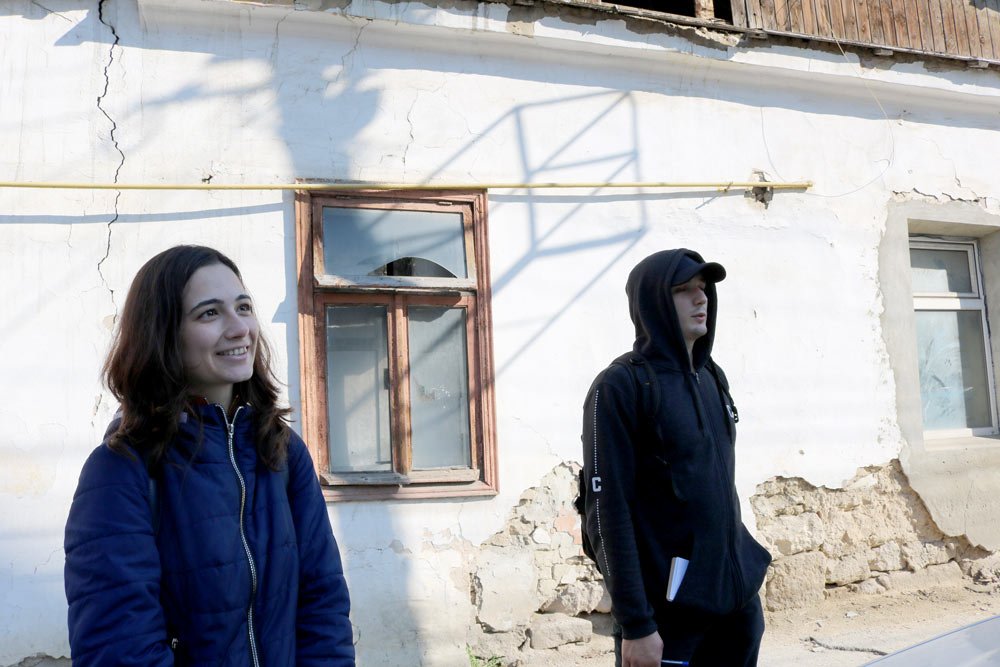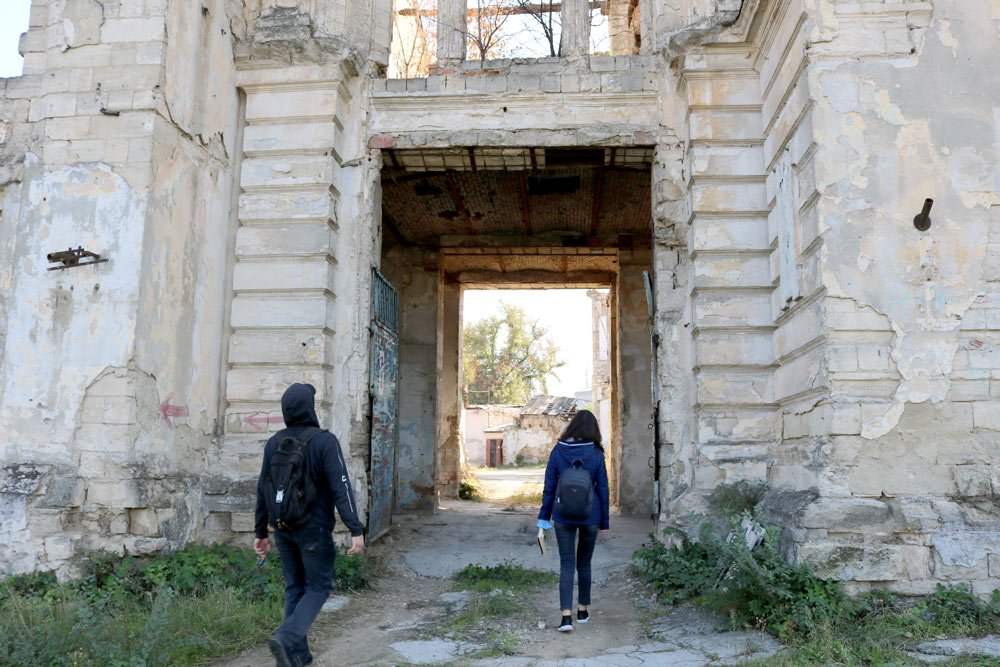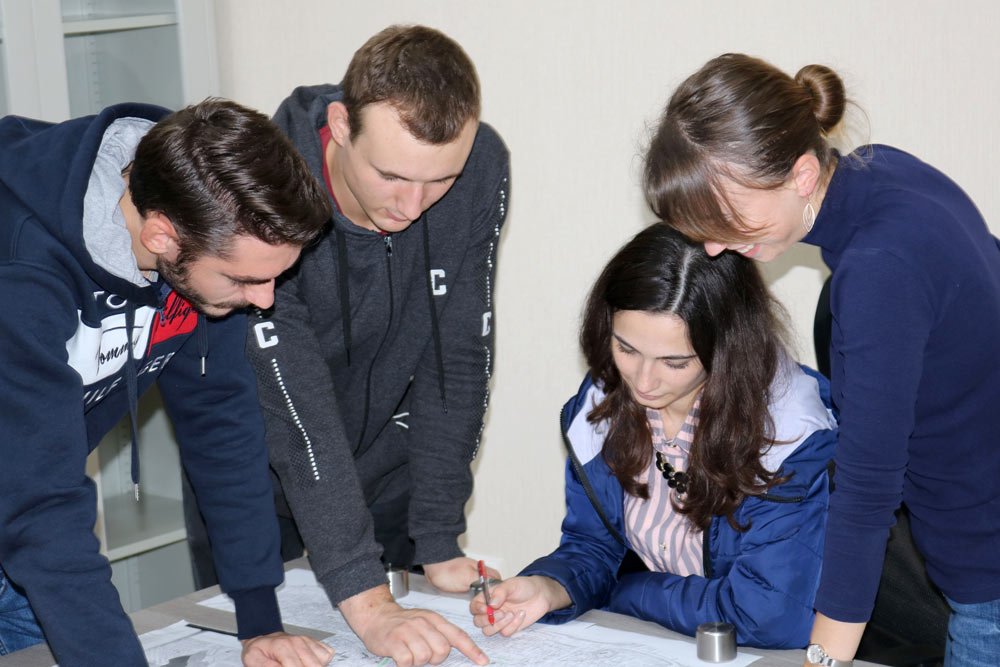
The participants from the Republic of Moldova are divided into three separate groups, each with a specific task to fulfill. The activity of the first group is focused on the mission of mapping the Chișinău Ghetto. The members of this group are working on the creation of a digital interactive map, which will show the territory of the Ghetto. In order to realize this major task, the students work in the field – they managed to identify the main architectural objects for filming with a drone (amongst those are Synagogue «Chabad Lubavich», «Rabbi Țirilson» etc.) and already did a series of photos on the territory of the Ghetto. At the same time, the members of the group are planning to realize a series of interviews with the experts in the domain in order to develop the subject of their studies.
The second group is preoccupied with another important aspect of the Chișinău Ghetto’s existence: the experience and the destiny of those that endured this tragedy. In their planned presentation «Stories from the Ghetto», the students want to analyze in more details this subject through the memories of the survivors and their descendants. In order to fulfill this goal, the members of the group gathered a significant bibliography for analysis, identified the opportunities to make a couple of interviews with people relevant to the subject, as well as the locations for filming and making photos. Amongst the accumulated material are the testimonies, that are currently unavailable in Romanian and are translated by the participants of the group.
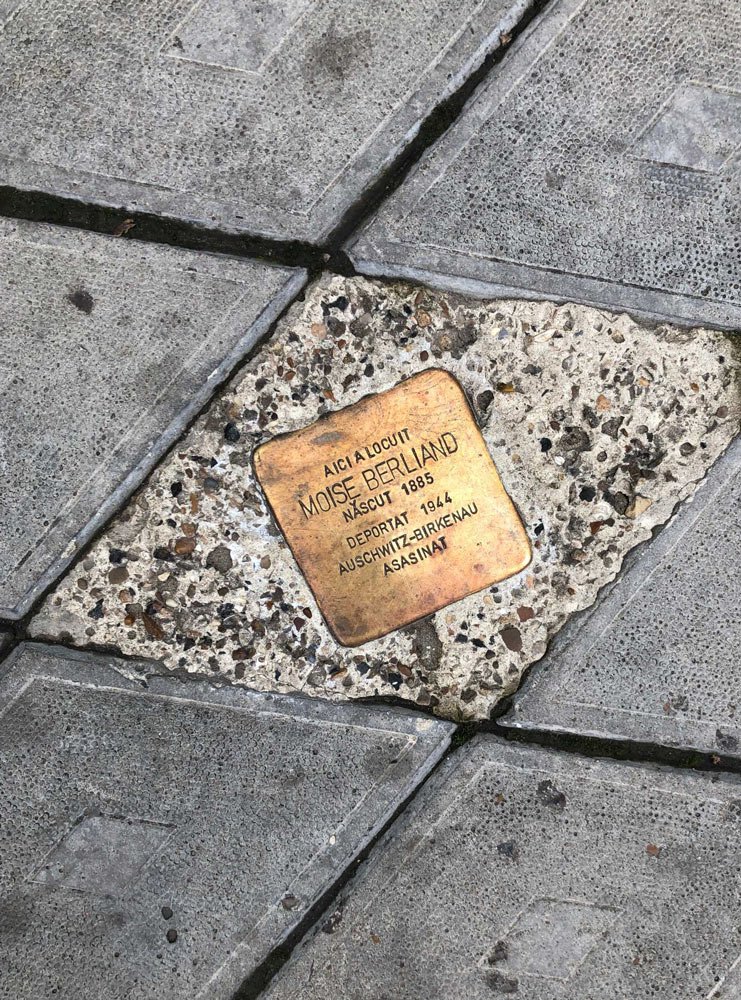
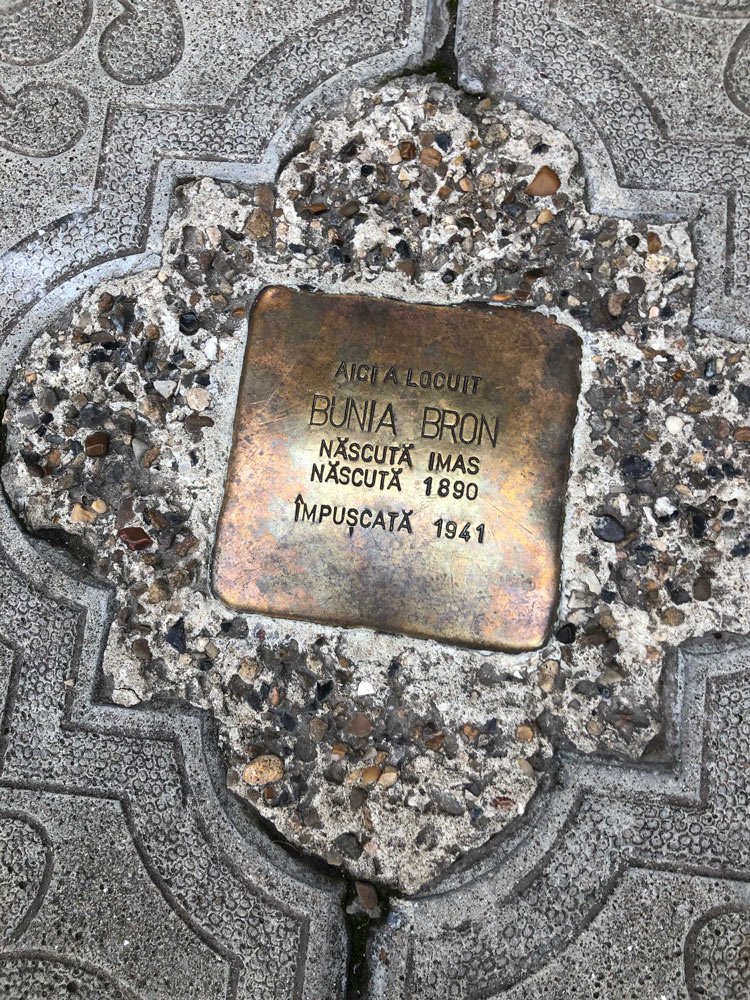
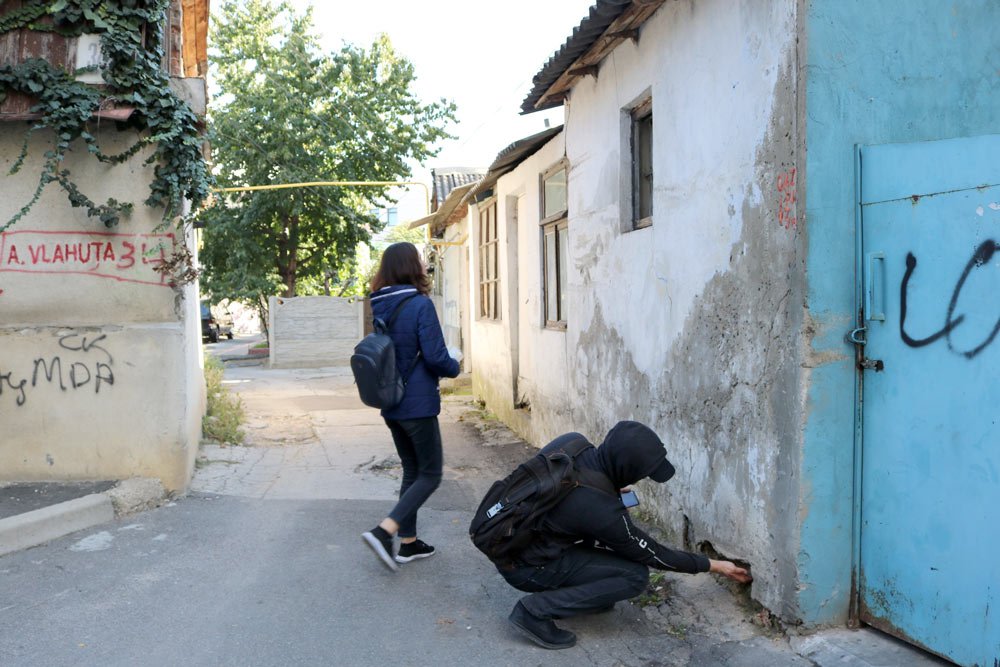
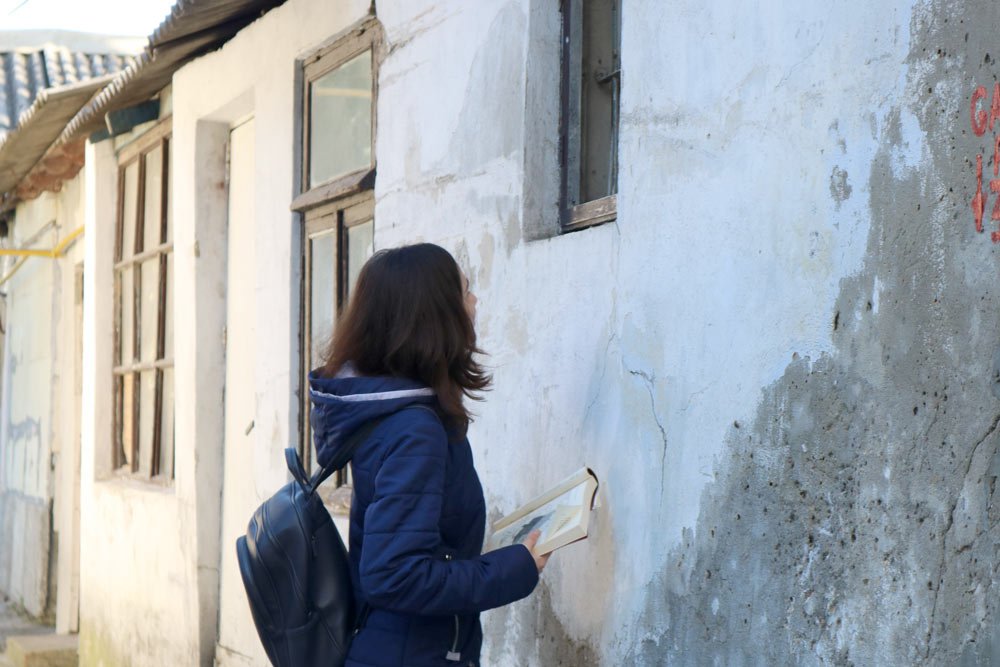
The members of the third group are focused on the subject of Stolpersteins in the city of Chișinău. The students identified the locations and the names of Chișinău citizens, to which were dedicated the installation of these commemorative monuments: Moise Berliand and Bunia Bron. The members of the group made a series of photos of these two Stolpersteins, as well as of the buildings, where these victims of the Holocaust lived. At the end, a presentation should be created in which the history of the ghetto is shown on the basis of these specific biographies.